What to do before an inspector arrives on inspection day
Run water through every floor and kitchen drain the morning of the inspection to confirm normal flow, have all compliance documentation physically accessible rather than needing to search for it, and address any known issue, however minor, rather than hoping it goes unnoticed.
What inspectors actually look for
Grease trap condition and maintenance records, backflow prevention device certification, floor drain function, and general drain line condition are the most common plumbing-related items on a commercial kitchen inspection. Broward County and most Florida municipalities require documentation for grease trap maintenance and backflow testing specifically, not just a visual pass, so having records on hand matters as much as the equipment itself being in working order.
Grease trap compliance, the most common failure point
An overfull or poorly maintained grease trap is one of the most common reasons a commercial kitchen fails a plumbing-related inspection. The common industry standard is cleaning once a trap is about 25% full by volume, not a fixed monthly or quarterly calendar interval regardless of actual use, since a high-volume kitchen fills a trap faster than a lower-volume one. Keeping documented cleaning records, not just doing the cleaning, is what actually satisfies most inspection requirements.
Backflow prevention testing
Most commercial properties in Florida are required to have a tested backflow prevention device, typically on an annual basis, which keeps contaminated water from siphoning back into the public supply. Inspectors generally want to see current certification, not just a device physically present, so scheduling this testing on a reliable annual cycle avoids a last-minute scramble before an inspection.
Floor drains and general drain condition
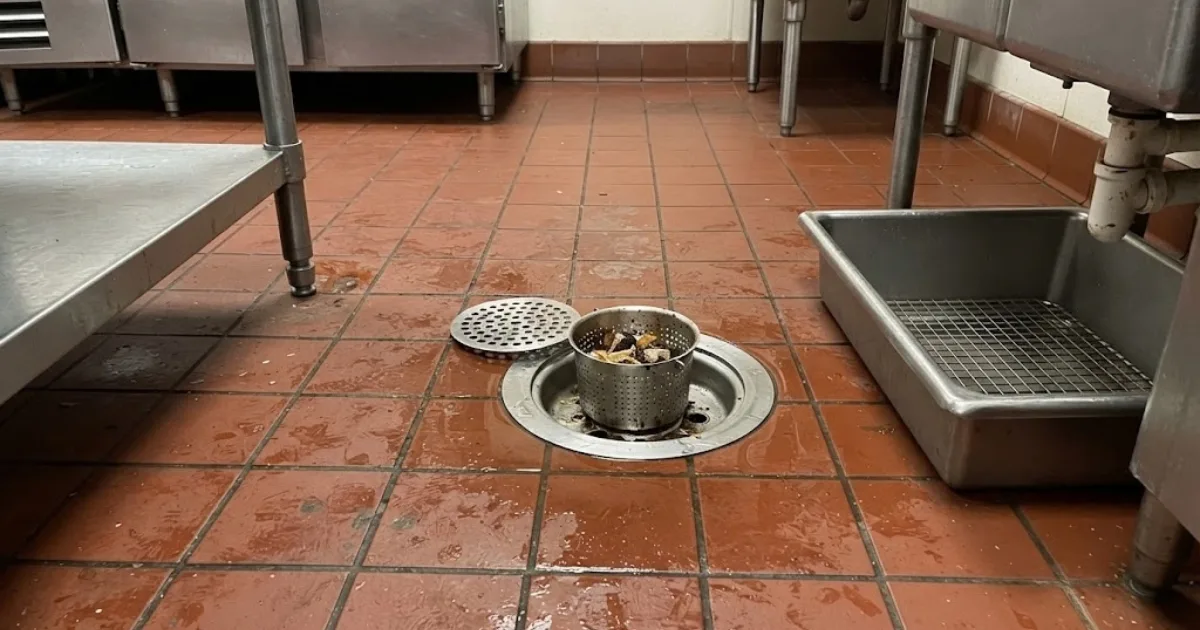
Floor drains that are slow, clogged, or emit odor are a common and visible inspection issue, often traceable to grease or debris buildup rather than a structural problem. A general drain cleaning pass ahead of a scheduled inspection, particularly for kitchen and floor drains, addresses this proactively rather than risking a finding during the actual inspection.
Building a simple pre-inspection checklist
Confirm grease trap cleaning records are current and accessible, verify backflow prevention certification hasn't lapsed, run water through floor drains to check for slow drainage, and address any known plumbing issues, however minor, before the inspection date rather than after. None of this needs to happen the day before. Building it into a regular maintenance schedule means inspection prep is largely already done by the time an inspector actually shows up.
Keeping documentation organized between inspections
A simple binder or digital folder with grease trap cleaning receipts, backflow testing certificates, and any plumbing repair invoices, organized by date, turns an inspection from a scramble into a five-minute review. Many properties find that once this system exists, maintaining it going forward takes minimal effort compared to the value of never being caught without documentation an inspector asks for.
What happens during a follow-up inspection after a violation
If an initial inspection finds a violation, a follow-up inspection typically gets scheduled within a set window, often 30 to 60 days depending on the severity and the specific municipality's process. Addressing the finding promptly and having documentation ready for the follow-up, showing the specific corrective action taken, meaningfully improves the odds of a clean pass on the second visit rather than facing an extended compliance timeline.
Commercial kitchen inspections in Pompano Beach
Inspection requirements depend on the type of food business, the building and the agency doing the inspecting, so we do not quote local rules from memory. Ask your inspector or the agency that licenses your business what will be checked, and confirm anything building related with the City of Pompano Beach.
What we can do before that visit is the plumbing side. A technician can check grease traps and floor drains, test the water heater and look for slow leaks, so the items you control are in order. Pompano Beach restaurants and shops can book that check at any hour.
We also send technicians to Deerfield Beach and Fort Lauderdale. See our Deerfield Beach plumber and Fort Lauderdale plumber pages for details on those areas.