
Why grease trap cleaning is a compliance issue, not just a maintenance one
Broward County and most municipalities require commercial kitchens to maintain grease traps and keep them from discharging grease into the sewer system, with inspections and potential fines for non-compliant properties. Beyond the regulatory side, an overfull trap is also the most common cause of a sudden kitchen drain backup during service, which costs far more in lost business than a scheduled cleaning would have.
How often a trap actually needs cleaning
The real answer depends on kitchen volume and menu, not a fixed calendar interval. A high-volume fryer-heavy kitchen fills a trap faster than a lower-volume café, and the common industry guideline of cleaning once the trap is 25% full by volume is a better standard than a flat monthly or quarterly schedule applied to every property regardless of actual use.
What happens during a cleaning visit
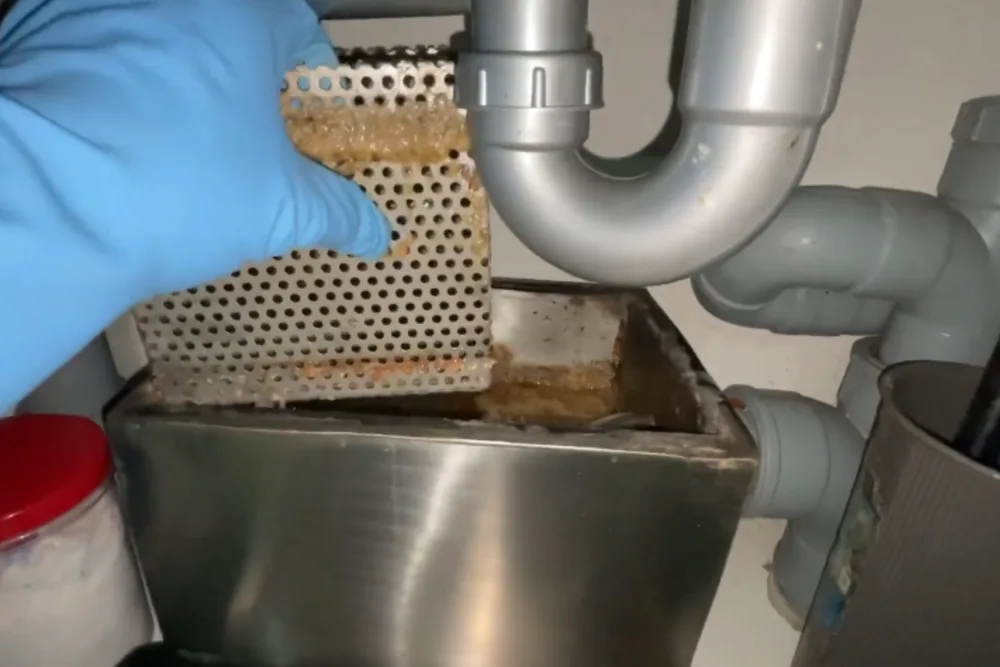
The trap gets pumped out completely, the walls and baffles scraped of accumulated grease, and the interior inspected for damage or wear before being closed back up. Waste grease is hauled away for proper disposal, since it can't legally go down a drain or into regular trash, and we provide documentation of that disposal for any property that needs it for compliance records.
A trap in significantly worse condition than expected, cracked, corroded, or undersized for the kitchen's actual output, gets flagged during the visit rather than just cleaned and left as-is, since a failing trap is a bigger problem than the grease inside it.
Signs a trap needs cleaning sooner than scheduled
A slow kitchen drain, a sewage or rotten smell near the trap, or grease visibly backing up into a floor drain are all signs a scheduled cleaning shouldn't wait for its calendar date. Any commercial kitchen noticing these between scheduled visits should call rather than wait, since an overflowing trap during service hours is a much bigger disruption than an early cleaning.
Working with multiple locations under one account
A restaurant group or franchise operator with several locations across this coverage area can consolidate grease trap scheduling under one account, staggering visits so they don't all land the same week and keeping consistent documentation across every location for whichever authority requests it. This is set up during the first visit rather than requiring a separate conversation per property.