
Why tightening the handle doesn't fix it
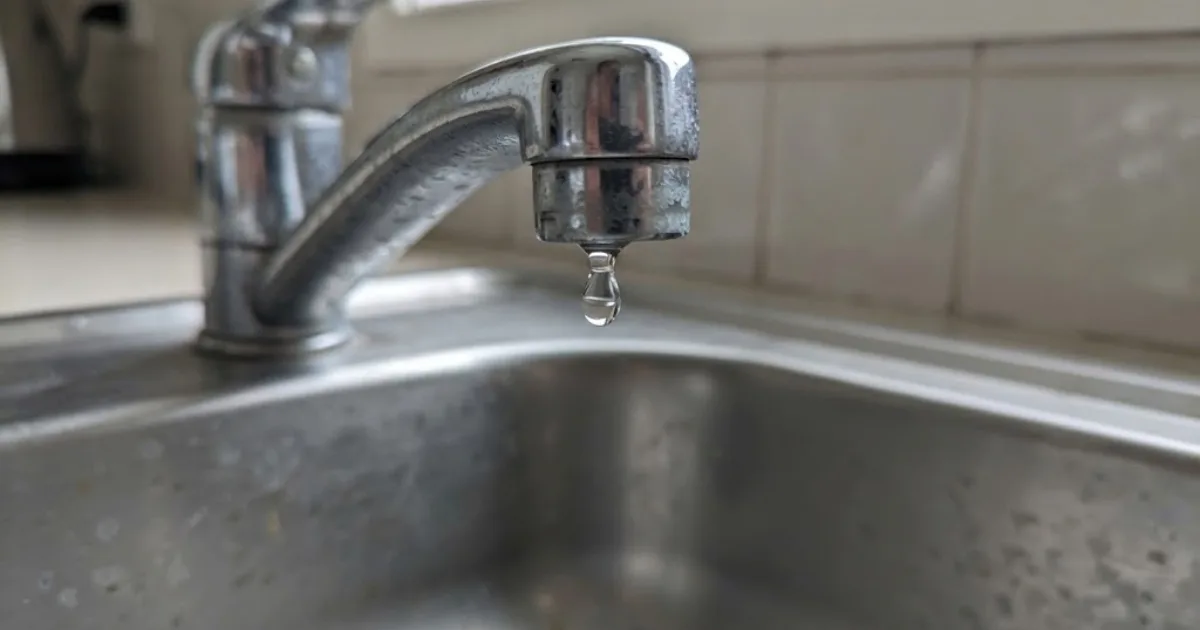
A dripping faucet is almost always caused by a worn internal part, a cartridge, O-ring, or washer depending on the faucet's design, that no longer creates a complete seal when the faucet is off. Tightening the handle harder doesn't address that worn part and can actually accelerate wear on the mechanism, making the eventual repair more involved than it needed to be.
Identifying which type of faucet you have
Compression faucets, common in older homes, use a rubber washer that compresses against a valve seat and are usually identified by needing to turn the handle multiple times to fully shut off. Cartridge, ball, and ceramic disk faucets, more common in newer installations, use different internal mechanisms and often shut off with a quarter turn or a single lever motion. Knowing which type is installed determines which specific part is likely worn and needs replacing.
The actual repair, in general terms
Repair involves shutting off the water supply to that specific fixture, disassembling the faucet handle and stem, and replacing the worn cartridge, washer, or O-ring with an exact match for that faucet's brand and model. Cartridges in particular are brand and often model-specific, which is why matching the exact part matters more than it might seem for what looks like a simple, generic repair.
When repair no longer makes sense
A faucet under about 10 years old with a single failed part is almost always worth repairing. Beyond that age, especially with visible mineral buildup inside the fixture, a finish that's worn or pitting, or a model old enough that matching parts is difficult to source, replacement is often the more practical and cost-effective path rather than continuing to chase repairs on an aging fixture.
Preventing the next drip
Avoiding excessive force when turning a faucet off, even when it seems to need it, and periodically cleaning the aerator to prevent mineral buildup from restricting flow both extend a faucet's working life. Neither prevents eventual wear entirely, since internal parts do wear out over normal use regardless, but both meaningfully slow the timeline.
A note on matching finishes when replacing a faucet
If only one faucet in a bathroom or kitchen is being replaced while surrounding fixtures, towel bars, cabinet hardware, stay the same, matching the existing finish, chrome, brushed nickel, matte black, keeps the space looking intentional rather than mismatched. This is a purely aesthetic consideration, not a functional one, but it's worth thinking about before purchasing a replacement based on price or features alone.
A note on smart and touchless faucets
Touchless and smart faucets have become more common in kitchen renovations, and while they add convenience, they also add electronic components, typically a battery pack or low-voltage transformer, that introduce a different kind of potential failure than a standard mechanical faucet. Anyone considering this upgrade should factor in that a touchless faucet issue sometimes involves troubleshooting electronics rather than just the standard cartridge or washer replacement covered above.
A dripping faucet and your Pompano Beach water bill
The City of Pompano Beach says that fixing leaks can reduce both water and sewer charges on your bill. A faucet that drips all day is a small leak, so stopping it helps on both lines of the bill, not just the water line.
If the bill is high and no faucet explains it, use the City's own meter test. Take a meter reading, use no water for one hour, then read it again. If the number changed, water is going somewhere, and a leak detection visit can find where.
We also send technicians to Lighthouse Point and Coconut Creek. See our Lighthouse Point plumber and Coconut Creek plumber pages for details on those areas.