What each method actually does
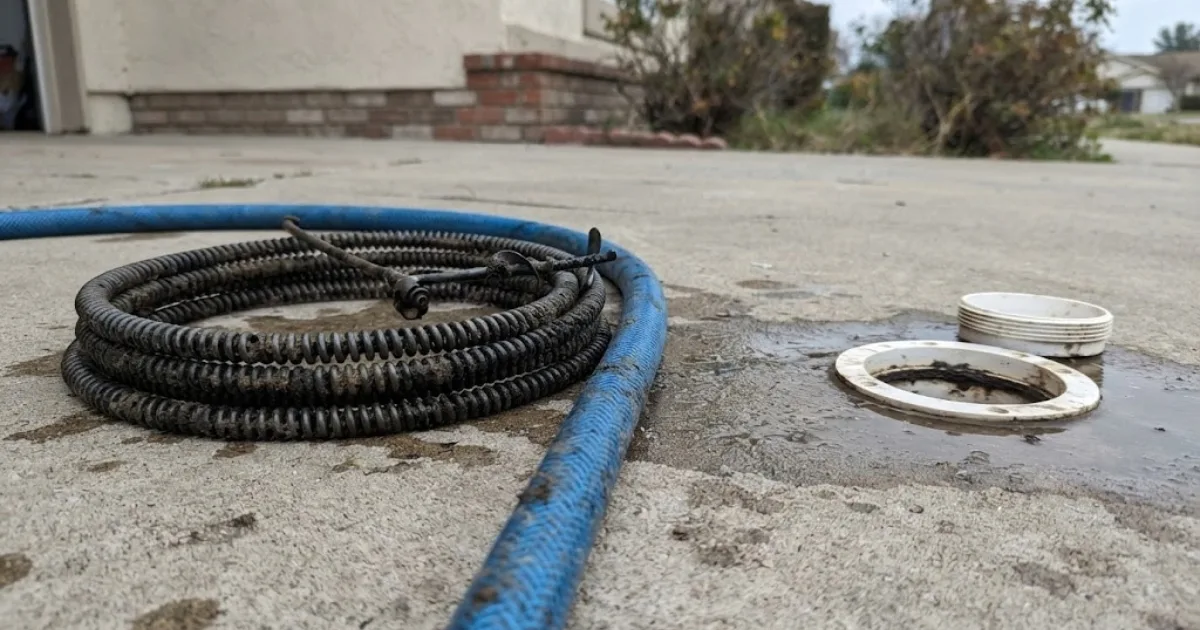
A drain snake, a flexible cable with a cutting or grabbing head, punches or pulls a channel through whatever's blocking a pipe. It's fast and effective for a single, isolated clog, but it clears a path through the obstruction rather than cleaning the pipe itself, leaving buildup coating the rest of the pipe wall untouched.
Hydro jetting uses a high-pressure water hose to scour the full diameter of the pipe, removing grease, scale, and root intrusion along the entire run, not just at one blocked point. It's a more thorough process and takes somewhat longer, but it addresses the underlying buildup rather than just the immediate symptom.
When snaking is genuinely the right call
A single, isolated clog with no history of recurring problems is usually a snaking job, since it's faster, less expensive, and fully effective for that kind of situation. There's no reason to pay for the more thorough jetting process on a pipe that doesn't have a buildup problem, just a one-time blockage.
When jetting is worth the extra step
A drain that clogs repeatedly in the same spot is the clearest sign jetting is the better investment, since a repeat clog usually means the pipe wall itself has enough buildup that a new blockage forms again within weeks or months of the last snaking. Grease-heavy kitchen lines, whether residential or commercial, and older clay or cast-iron drain lines dealing with root intrusion are the other situations where jetting consistently outperforms snaking as a long-term fix.
A real consideration: pipe condition matters too
Jetting at full pressure isn't automatically safe for every pipe. A line that's already cracked or significantly deteriorated can be made worse by high-pressure water rather than better, which is why a camera inspection sometimes comes before jetting on an older or unknown line, specifically to confirm the pipe can handle the process.
The honest cost comparison
Snaking costs less upfront and is the right call for a genuine one-time issue. Jetting costs more per visit but often costs less over a year for a property with a real recurring-clog history, since it addresses the buildup causing the repeat visits rather than treating each one as a separate, unrelated problem.
What a technician actually checks before recommending either method
Before recommending snaking or jetting, a technician typically asks about the clog's history, whether this is the first occurrence or a repeat, what's usually going down that specific drain, and whether the property has had any camera inspection or line work done previously. These questions take a minute but meaningfully improve the odds of recommending the right method the first time, rather than starting with the cheaper option and escalating after it doesn't hold.
What a maintenance jetting schedule actually looks like
For a property that opts into scheduled jetting rather than reactive service, a typical interval runs anywhere from quarterly to annually depending on usage, a commercial kitchen usually needs more frequent service than a residential line. The schedule gets adjusted based on what's actually found at each visit, tightened if buildup is heavier than expected, or extended if a line consistently comes back cleaner than anticipated.
Whose line is it in Pompano Beach
Before paying for a drain job, work out where the stoppage sits. Pompano Beach homes are served either by the City of Pompano Beach Utilities Department or by Broward County Water, and your bill shows which one is yours.
If sewage is backing up in the street or several neighbors are affected, call your utility. If only your home is affected, a camera pass shows whether cabling or jetting will clear the problem on your side of the line.
We also send technicians to Margate and Oakland Park. See our Margate plumber and Oakland Park plumber pages for details on those areas.