
What a sewer camera inspection actually shows about a line
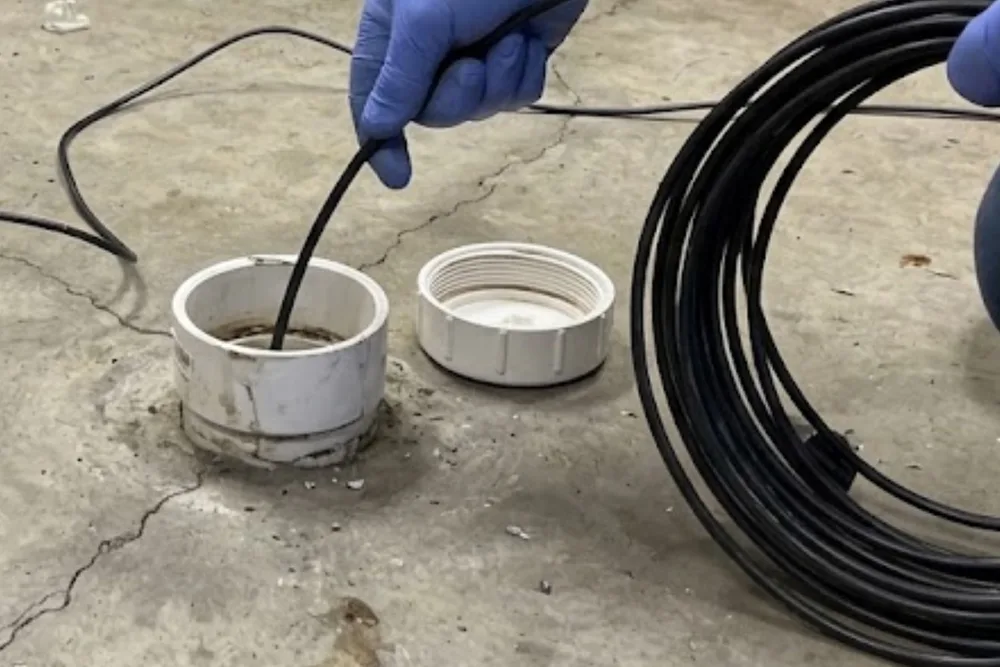
A waterproof camera on a flexible cable runs the length of the line, showing cracks, root intrusion, bellies (low spots where the pipe has sagged), offset joints, and material buildup directly on a monitor as it goes. This replaces guessing at what's wrong based on symptoms alone, which matters since a recurring clog, a slow drain, and a collapsed line all present differently on the surface but require very different fixes.
The recording also documents the line's exact condition at a point in time, useful both for planning a repair and, during a home purchase, for knowing what's being inherited before closing.
When a camera inspection is worth doing on its own
Beyond diagnosing an active problem, a standalone inspection makes sense before buying a home with an older sewer line, before recurring clogs get treated as isolated events, and before jetting or trenchless work to confirm the pipe's actual condition first. For older homes in this coverage area with original clay or cast-iron drain lines, a one-time inspection is often the cheapest way to know what's actually likely coming.
What we specifically look for during an inspection
Beyond an obvious blockage, we check for pipe material and transitions (a common failure point where clay meets cast iron, for instance), the slope and grade along the run, root intrusion at joints, and any bellying where the pipe has settled unevenly. Each of these points toward a different repair approach, so the inspection report notes the specific finding and its location, not just a pass or fail.
For an older home, we also note the overall material of the line, clay, cast iron, or original Orangeburg pipe in rare cases, since Orangeburg in particular has a limited remaining service life regardless of its current condition and is worth flagging even absent an active problem.
How the inspection footage gets used afterward
Footage and a written report are provided after the inspection, useful for getting a second opinion, for insurance documentation if damage is involved, or simply for a homeowner's own records on an older home. For a pre-purchase inspection specifically, this documentation is often exactly what a real estate transaction needs to address a sewer line condition before closing rather than after.