Why sump pumps matter more here during hurricane season
A property with a low-lying yard, a below-grade area, or a history of standing water after heavy rain relies on a working sump pump specifically during the heaviest part of Florida's wet season. A pump that's fine in a normal week can fail exactly when it's needed most, during a sustained heavy rain event, if it hasn't been checked beforehand.
A battery backup system matters more here than in a drier climate too, since the same storms that trigger heavy rain are also the ones most likely to cause a power outage, which is exactly when a pump that only runs on household power stops working.
Common sump pump failures and what causes them
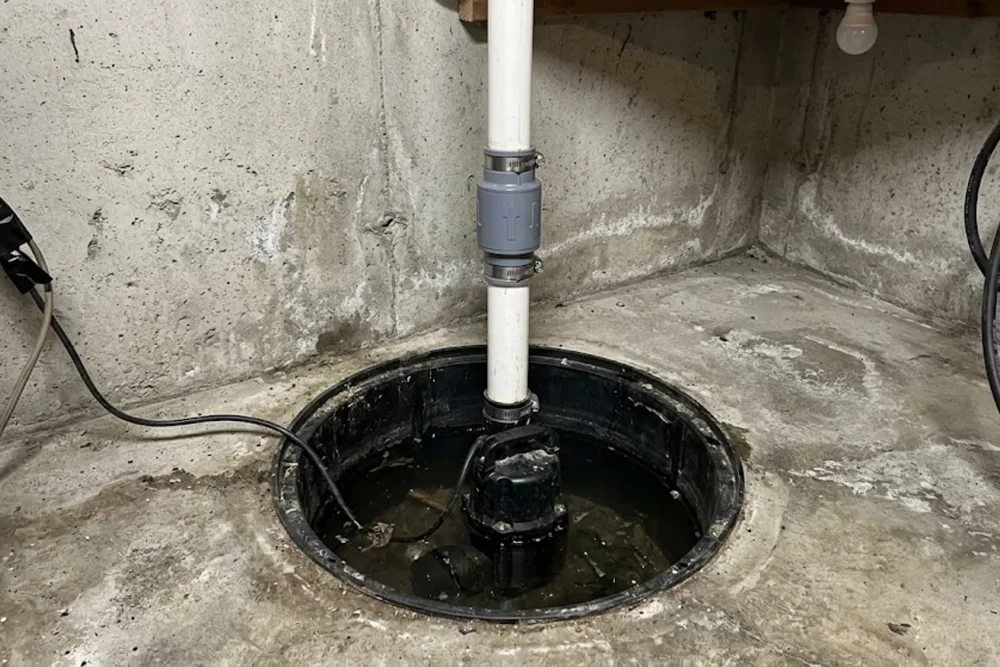
A pump that runs constantly without the water level actually dropping usually means a stuck check valve or a pump that's undersized for the actual water volume it's handling. A pump that doesn't run at all is often a failed float switch, which is a simpler and cheaper fix than replacing the whole unit. We diagnose which situation applies before recommending replacement.
Emergency steps if your sump pump fails during a storm
Move valuables and electronics away from the affected area immediately, and avoid using electrical outlets near standing water. If safe to do so, manually bail water from the pit to slow accumulation until help arrives. Do not attempt to service the pump yourself during active flooding.
Choosing the right pump for the situation
Pump horsepower and switch type both matter more than brand name. A pedestal pump, with the motor mounted above the pit, is easier to service. A submersible pump runs quieter and handles higher water volume, which suits a property with a genuine history of significant water intrusion rather than occasional minor pooling.
For a property with no history of flooding but a low-lying yard that concerns the homeowner, a smaller backup system paired with a French drain or grading fix sometimes addresses the actual water source better than a full sump pump installation would on its own. We look at where the water is actually coming from before recommending equipment.
Testing a sump pump before storm season
A simple test, pouring a few gallons of water into the pit and confirming the pump activates, runs smoothly, and shuts off correctly, takes a few minutes and catches most failures before they matter. We recommend this test at the start of hurricane season specifically, along with a battery backup check if one is installed, rather than waiting to discover a problem during the season's first major storm.
Sewage ejector pumps
Homes with a below-grade bathroom or laundry may use a sewage ejector pump rather than a sump pump. An ejector failure shows up as slow drains, gurgling and sewer smell in the lowest bathroom, and replacement is a similar job to swapping a sump pump. If you are unsure which kind of pump you have, describe where it sits and what it drains when you call.